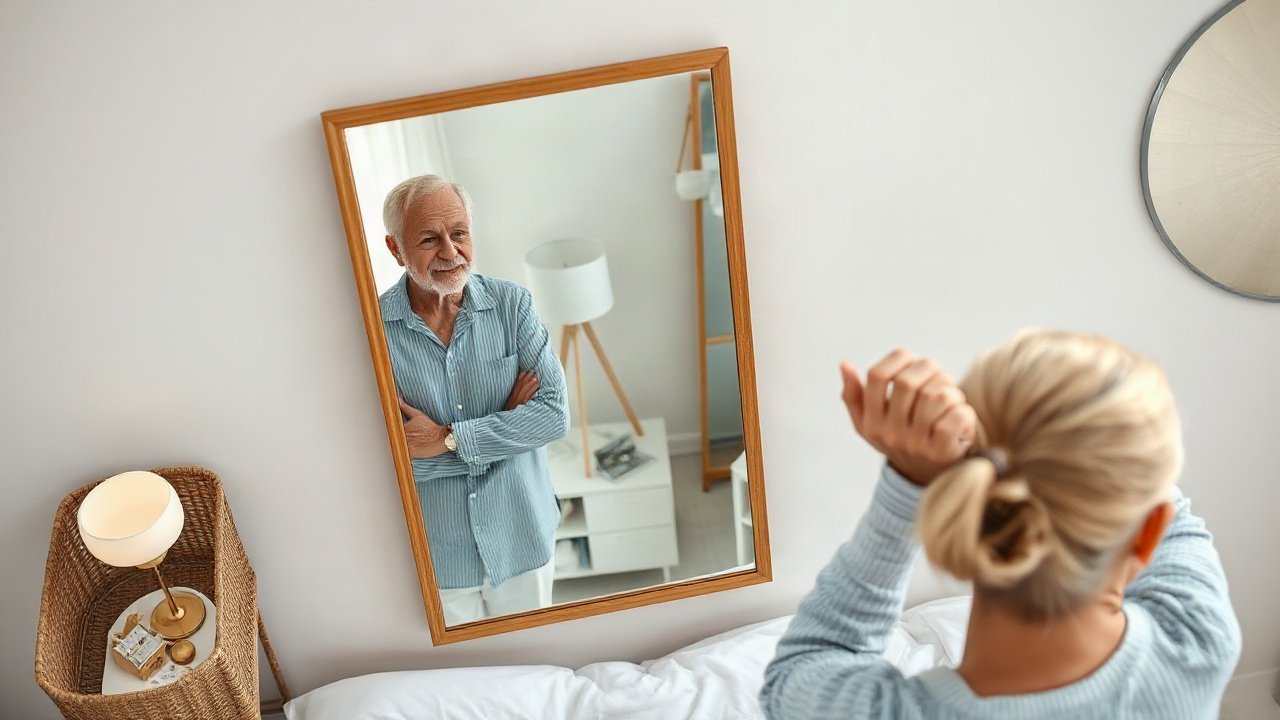
Visualize the process you can actually rehearse
For confidence, visualization is most defensible when it rehearses a process or response rather than acting as proof that the final outcome is secured. The target is acting more steadily in situations that currently trigger self-doubt. Build the scene around the moments where waiting to feel fearless before attempting the behaviour usually changes behaviour.
Include one realistic difficulty
For this application, rehearse entering the situation, noticing nerves, keeping attention on the task and staying after a small mistake. A useful image contains friction because that is where rehearsal can prepare a response. A perfect montage of success may feel good while leaving the hard moment untouched.
Use first-person detail sparingly
For Visualization for Confidence: A Practical Guide, notice one or two sensory cues that help locate the scene, then prioritise sequence: what happens first, what you notice, what response you use and how you continue. The goal is recall of the process, not cinematic richness.
Follow rehearsal with a live or simulated attempt
After the scene, take one low-stakes step on a graded difficulty ladder. If the skill can be practised safely, use a realistic simulation, timed attempt, conversation, viewing, budget review or other appropriate task. Compare the imagined sequence with what actually happened.
Update the scene from feedback
Use situations attempted, avoidance reduced and recovery after mistakes to decide what to rehearse next. Confidence can grow through practice without requiring the absence of anxiety. If the real difficulty is different from the one you imagined, change the scene. Mental rehearsal becomes more useful when it is fed by experience.
Keep the session proportionate
For Visualization for Confidence: A Practical Guide, a few focused repetitions are usually enough to remember the cue. If visualization expands because you are trying to remove all uncertainty before acting, shorten it. Uncertainty often belongs to the situation, not to a failure of imagination.
Rehearse the moment where the plan is most likely to bend
For Visualization for Confidence: A Practical Guide, use a real low-stakes moment: asking a question in a meeting, speaking to a stranger, making a phone call or sharing an opinion. Confidence grows when you complete the behaviour while some discomfort is present and discover that you can recover from awkwardness rather than waiting for perfect calm.
Define what improvement would look like
For Visualization for Confidence: A Practical Guide, build a difficulty ladder from mildly uncomfortable to genuinely challenging. Score attempts, not emotional perfection. If a step is repeatedly avoided, make it smaller; if it becomes easy, move one level up. This turns confidence into exposure and learning instead of a mood you must manufacture first.
Use one cycle of imagine, attempt, compare
Visualize the relevant sequence once or twice, then take one low-stakes step on a graded difficulty ladder. Immediately afterwards, note the first difference between the imagined sequence and the real attempt. That difference becomes the focus of the next rehearsal. Use situations attempted, avoidance reduced and recovery after mistakes to see whether the loop improves performance or decision quality. The visualization gets its content from experience rather than trying to replace experience.
Do not let rehearsal replace preparation
The trap is monitoring yourself so closely that the practice becomes another test: “Did I feel confident enough? Did I think the right thing?” That inward checking can increase self-consciousness. Put attention back on the task, the other person or the next observable action.
Feed the next scene with real feedback
For Visualization for Confidence: A Practical Guide, review what you attempted, what actually happened and how quickly you recovered. Note any prediction that proved exaggerated. A useful review produces a slightly better next exposure; it does not demand that nervousness disappear.
Confidence visualization: rehearse staying in the room
Use a scene where mild anxiety appears early. Rather than erasing it, picture yourself keeping attention on the conversation or task, speaking once, noticing a wobble and remaining engaged. Then test the sequence in a low-stakes setting. The goal is not to prove that nerves were imaginary; it is to make continuation more familiar so discomfort is less likely to trigger immediate escape.
Bottom line
Use visualization for confidence to rehearse a process, a likely difficulty and a recovery response. Then test the sequence in reality and let the next scene reflect what the real attempt taught you.