What the method is for
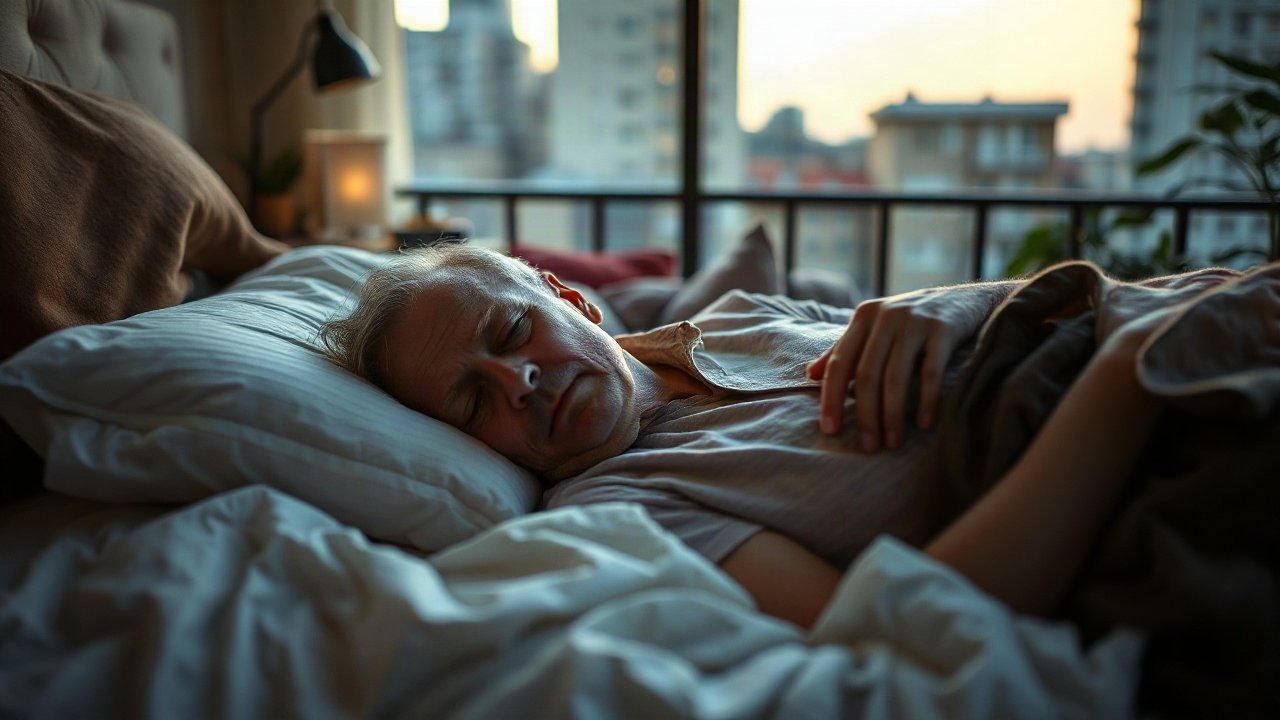
SATS is best used as a short imaginal rehearsal used near sleep or in a relaxed drowsy state. The grounded reason to use it is rehearsing a response, scene or standard without making vividness a success test. You do not need perfect belief, a streak or a special mood before beginning. You do need a clear job for the exercise and a stopping point.
Before the first step, name the goal in ordinary language and write one sentence about what is true now. If the outcome depends on another person, money, health, a market or another external system, keep that constraint visible. The method can support your response; it does not cancel facts or consent. For SATS, the starting fact should sit beside a concrete focus: choose one short scene that rehearses a controllable process or response rather than a guaranteed external outcome.
Step 1: Choose one short scene that rehearses a controllable process or response rather than a guaranteed external outcome.
Do this narrowly. A broad target such as “fix my life” gives the method nothing testable to work with. Pick one situation, decision or behaviour. The starting question is not “how do I make the universe do this?” but “what can this exercise help me notice, rehearse, remember or decide?” In this method, narrowing the target means settle into a comfortable, drowsy state without making relaxation itself a performance test.
Step 2: Settle into a comfortable, drowsy state without making relaxation itself a performance test.
Keep the technique recognisable but simple. A normal session for SATS is 2–10 minutes, shorter if it delays sleep. Adding more time is not automatically more effective. If you notice yourself adding rules because the session felt ordinary, return to the original purpose instead of making the ritual heavier.
Step 3: Run the compact scene once or a few times, including a realistic recovery moment if useful.
This is where many people accidentally turn the method into a reassurance exercise. The useful output should be something you can carry into the day: a cue, criterion, plan, revised interpretation, standard, question or prepared response. You are allowed to finish without feeling transformed. A useful output from SATS is especially likely to be something that helps you keep one short scene and let sleep take priority over completing it perfectly.
Step 4: Stop if the exercise delays sleep or raises arousal; sleep takes priority over completing the scene perfectly.
The session should end cleanly. Keep one short scene and let sleep take priority over completing it perfectly. Then let ordinary life supply new information. Repeating the method immediately because doubt returned usually gives you less evidence, not more.
A worked example
Rehearse opening a presentation calmly and reading the first line from your cue card, then let the scene end and prioritise sleep. Notice the structure: the method has a defined target, the output can be observed, and external reality remains intact. That is a much stronger design than using the practice to generate certainty about an outcome you cannot control.
If the example were yours, write down what would count as a useful result from the practice itself. It might be starting sooner, remembering a cue, making a clearer decision, recovering from a setback or asking a better question. Do not use coincidences as the primary scorecard. For this method, a fair result might include sleep quality, recall of the rehearsed response, calmer recovery in the real task and whether bedtime stayed low-pressure; those are closer to the exercise than an unexplained coincidence.
Common setup mistakes
The main risk with SATS is sacrificing sleep, forcing sensory detail or treating drowsiness as proof that an outcome is guaranteed. Another mistake is changing the goal, wording and procedure every time discomfort appears. Give a simple version enough time to produce information before redesigning it.
Also avoid converting every missed session into a reset. The method is not a chain that breaks when life interrupts it. If the practice begins affecting sleep, work, relationships or your ability to tolerate uncertainty, reduce or stop formal use. If ritualised behaviour or intrusive thoughts are significantly interfering with daily life, qualified mental-health support may be appropriate. With SATS, the clearest warning is bedtime becomes performance pressure, you restart after falling asleep “wrong,” or imagery increases arousal
What to do after the session
Return to the part of the goal that exists outside the technique. Use the relevant tool—SATS Scene Builder—if it helps you organise the handoff, but do not create another layer of tracking just for the sake of tracking.
A simple closing question is: What is the smallest next thing I can verify or do? Once you have that answer, the session is complete.
Bottom line
To do SATS well, keep it bounded, specific and connected to reality. Use the steps to support rehearsing a response, scene or standard without making vividness a success test, then test the output in ordinary life. The practice is successful when it helps you respond more effectively—not when you manage to manufacture certainty.