The practical answer
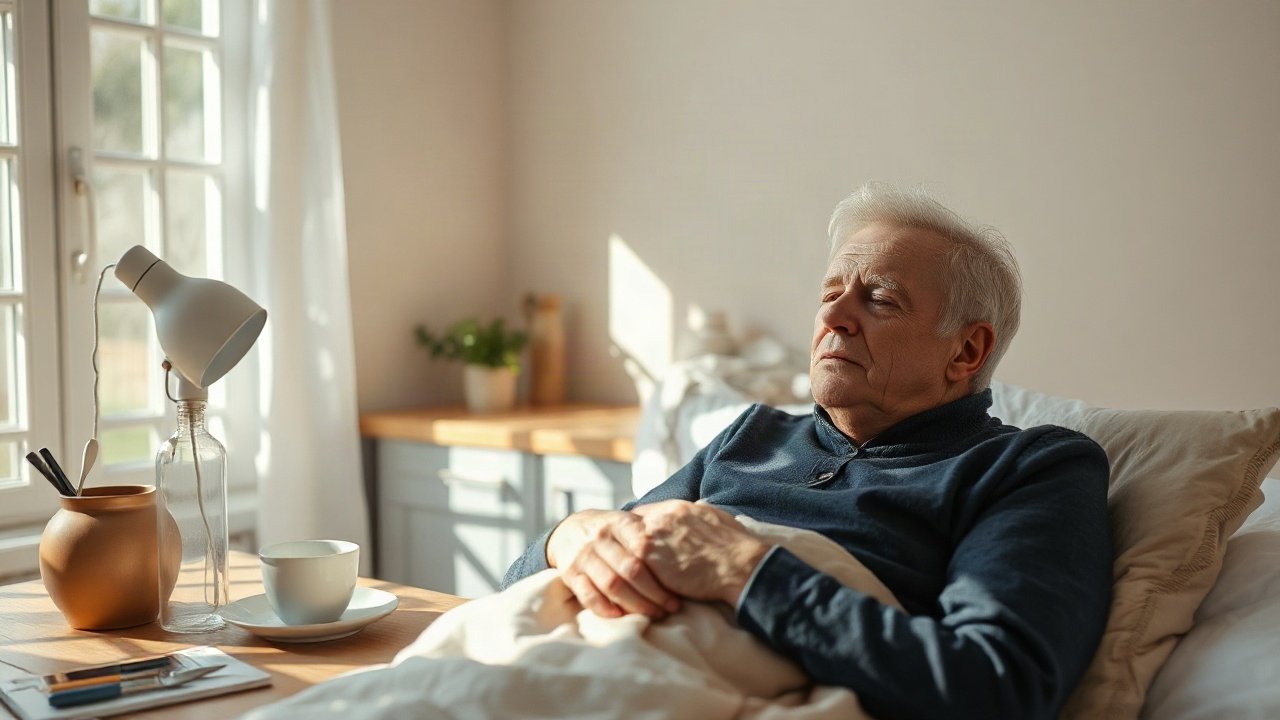
You do not have to fall asleep during SATS. Drowsiness is used because it can make sustained inner attention easier, not because sleep is a switch that makes the scene work.
SATS is associated with Neville Goddard. Its grounded elements overlap with relaxation, mental imagery and rehearsal; the stronger claim that the drowsy scene determines external reality is a belief claim. For this question, the useful focus is the part you can observe: whether the compact scene supports calmer preparation or makes a useful response easier to rehearse.
Why the distinction matters
If you finish the scene and remain awake, end the exercise normally. Do not repeat it until exhaustion or monitor the exact second you drift off.
Keep the evidence boundary clear for Do You Have to Fall Asleep During SATS?. The practice may alter rehearsal, salience, self-talk or planning, depending on the method, but those are different claims from saying it guarantees another person's behaviour or an outside event. Evaluate the near, observable effects first.
The main failure mode in Do You Have to Fall Asleep During SATS? is sacrificing sleep quality to make the technique feel more complete. A better rule is to keep the exercise only while the short drowsy scene, the response it rehearses and whether sleep remains protected is helping you think or act more clearly. If it starts demanding extra checking, time or certainty, simplify it before adding anything else.
Run a small experiment
Five calm minutes before sleep can be a complete session even if you then read for another twenty minutes.
Treat Do You Have to Fall Asleep During SATS? as a design problem rather than a test of belief. Make the short drowsy scene, the response it rehearses and whether sleep remains protected simple enough to repeat, watch for sacrificing sleep quality to make the technique feel more complete, and compare the result with what you would have done without the exercise. The goal is useful feedback, not ritual perfection.
A low-pressure version
- Set one practical target. For Do You Have to Fall Asleep During SATS?, keep the focus on the short drowsy scene, the response it rehearses and whether sleep remains protected.
- Remove any rule that is not needed for that target. Avoid sacrificing sleep quality to make the technique feel more complete.
- Use the method once in a clearly defined situation. Decide in advance what observable change would count as useful.
- Keep only what improves the next attempt. Keep the part that improves clarity, preparation or follow-through; drop the rest.
Pressure to avoid
Watch for the practice drifting into sleep disruption, checking whether the image felt real enough, or treating stray thoughts as if they cancelled the session. The fix is not to prove more belief. Reduce the amount of checking, make the target more specific and return attention to the next decision you can actually make.
Keep the evidence boundary clear for Do You Have to Fall Asleep During SATS?. The practice may alter rehearsal, salience, self-talk or planning, depending on the method, but those are different claims from saying it guarantees another person's behaviour or an outside event. Evaluate the near, observable effects first.
Separate belief from evidence
This is the boundary that keeps the page grounded. Drowsiness can make imagery immersive, but immersion does not demonstrate that the pictured external event is guaranteed.
Keep the evidence boundary clear for Do You Have to Fall Asleep During SATS?. The practice may alter rehearsal, salience, self-talk or planning, depending on the method, but those are different claims from saying it guarantees another person's behaviour or an outside event. Evaluate the near, observable effects first.
Next step
Open the SATS Scene Builder only if it makes Do You Have to Fall Asleep During SATS? simpler to execute. Log the minimum useful setup, the next controllable step and the result you can later observe. If tracking starts creating more checking than clarity, stop tracking.
Bottom line
You do not have to fall asleep during SATS. Drowsiness is used because it can make sustained inner attention easier, not because sleep is a switch that makes the scene work. If you finish the scene and remain awake, end the exercise normally. Do not repeat it until exhaustion or monitor the exact second you drift off. Keep the version that makes a real decision easier and drop any rule that exists only to make the ritual feel more complete.