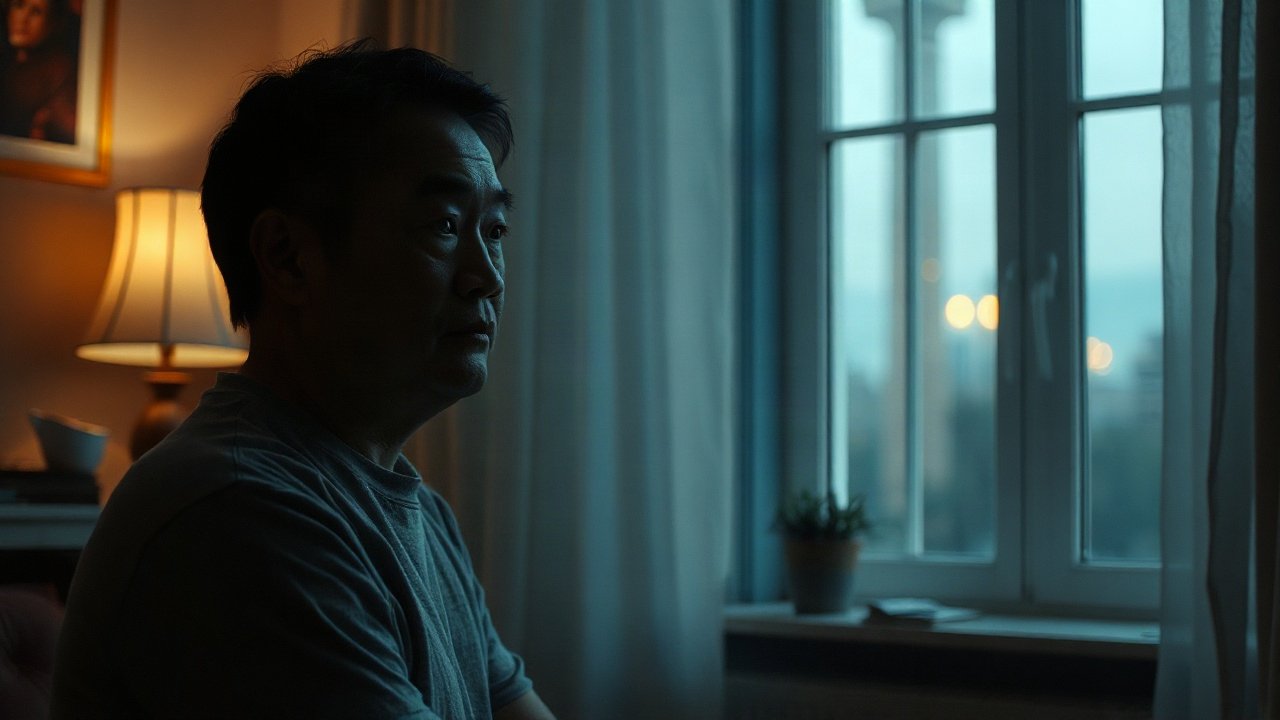
The Lullaby Method is a useful example of how a spiritual practice can share a form with an ordinary calming routine while making a much larger claim about what that form accomplishes.
Traditional Neville-style use
A brief phrase or feeling is repeated in a drowsy state until it carries the sense of the desired condition being accomplished. Inside Neville’s framework, that inward acceptance has creative significance.
The method avoids elaborate imagery. Its simplicity is part of its appeal.
Grounded use: bedtime cue
A grounded interpretation treats the phrase as a cue for attention and orientation. Repetition may reduce mental clutter for some people or make a desired stance easier to recall. This predicts an effect on the practitioner, not guaranteed changes in external reality.
Sleep is a non-negotiable boundary
If you are awake forty minutes trying to “reach the state,” stop. Sleep supports cognition, emotion regulation and health more reliably than any manifestation ritual. A method that repeatedly damages sleep is failing a practical cost-benefit test.
Example: exam preparation
Traditional use might repeat a phrase implying the exam is successfully completed. A grounded version might use “prepared and steady” for a minute, then rely on the real causal work: study, practice questions and rest.
The phrase can support the routine; it is not a substitute for learning the material.
The brainwave overclaim
Modern explanations often invoke theta waves, hypnagogia or “open subconscious access.” Drowsiness is a real experience and sleep-onset cognition is studied, but that does not prove a special portal through which desired events are programmed into reality.
Keep physiological vocabulary proportionate to the evidence.
Compulsion warning
If you believe a negative thought after the phrase cancels the practice, bedtime can become a checking ritual. Let thoughts pass. There is no practical reason to start over because the mind wandered.
A low-friction protocol
Set a maximum of two minutes. Choose one phrase. Repeat softly or mentally. Stop when tired or when the timer ends. The next day, take one action that matches the value behind the phrase. After a week, assess sleep quality and daytime behaviour.
This creates a real review loop rather than a mystical compliance test.
Different explanations can coexist without being merged
A spiritual practitioner may retain Neville’s traditional meaning. A secular reader may use the same form as reflection. What should not happen is presenting ordinary sleep science as proof of the metaphysical claim.
Separate bedtime ritual from outcome monitoring
One reason sleep techniques become sticky is that the person wakes and immediately asks whether the ritual “worked.” That turns a calming cue into a performance test. A grounded protocol postpones evaluation: assess the week, not each morning.
Track only two things—sleep quality and whether the intended daytime behaviour became easier to remember. Do not score dreams, coincidences or how close you were to unconsciousness when the phrase stopped.
This makes the intervention low-stakes. A bedtime cue that helps you settle is useful on that basis; a cue that damages sleep is not rescued by a metaphysical explanation.
Compare it with ordinary wind-down routines
Dim light, consistent timing, lower stimulation and relaxation practices have clearer roles in sleep hygiene than manifestation wording. If you use the Lullaby Method, place it inside those ordinary supports rather than replacing them.
That ordering keeps the spiritual exercise optional. If the phrase helps, keep it. If it increases alertness, return to the boring basics of sleep rather than assuming a deeper subconscious process is occurring.
If sleep is already difficult
People with persistent insomnia should be cautious about adding any mentally effortful bedtime ritual. Move reflective work earlier, keep the bed associated with sleep where possible, and seek appropriate professional guidance when sleep problems continue.
If you want a spiritual bedtime practice as well, keep it optional and kind. Missing a night should have no special meaning. Consistency can be pleasant, but there is no practical reason to turn sleep onset into a streak that must never be broken.
Bottom line
Traditional Lullaby practice treats a drowsy phrase as an imaginal act with creative power. Grounded practice treats it as a sleep-adjacent mental cue. Protect sleep, avoid brainwave hype, and keep action in the daytime world.