Yes — use the method for the function you can actually verify
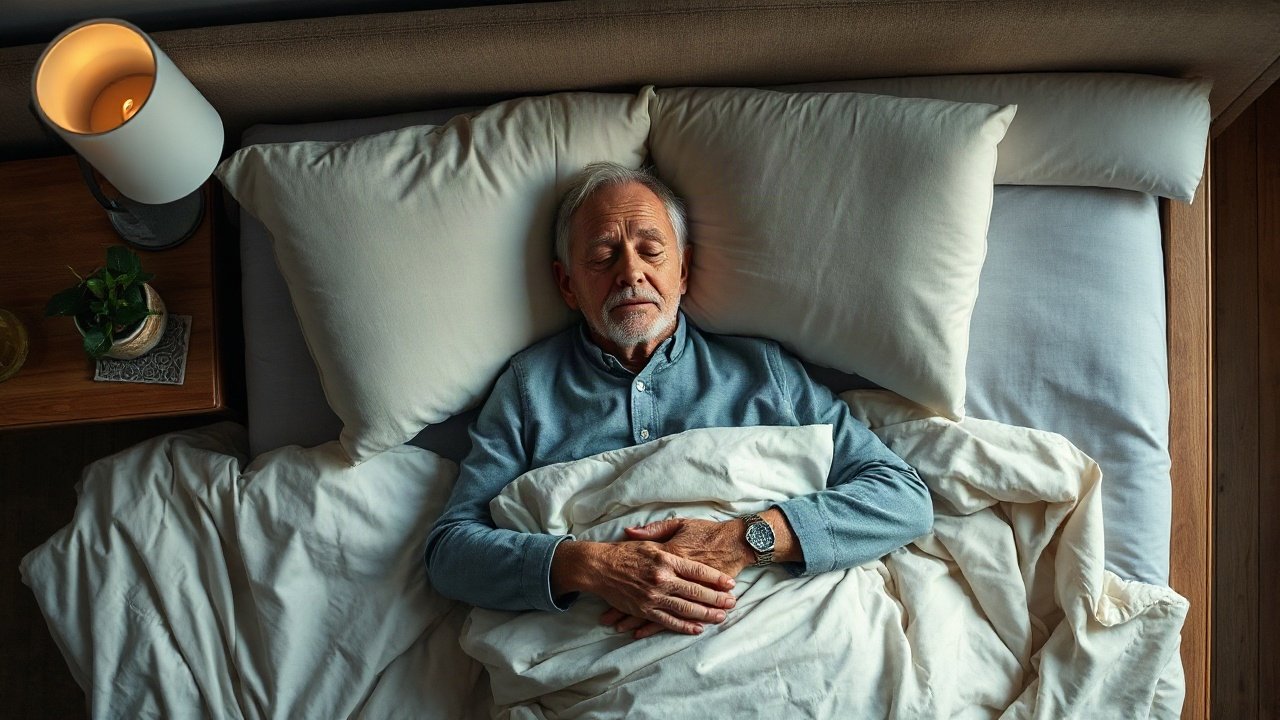
You can practise SATS without believing that thoughts directly cause external events. A belief-free version keeps using a short imaginal scene while physically relaxed or drowsy, traditionally associated with a “state akin to sleep” and drops the requirement to interpret the exercise as a signal to the universe. The question becomes practical: does this way of thinking or rehearsing help you make a clearer choice, prepare better or follow through?
Translate the method into ordinary language
For SATS, a grounded session means you choose one simple scene, keep it short, rehearse it once or a few times, then let the session end naturally and protect normal sleep. None of those steps requires certainty about manifestation. They can be treated as reflection, rehearsal, attention management or planning. If spiritual language is useful to you, you can keep it; if it creates resistance, replace it with wording you would use in any other decision-making exercise.
Work with a real example
Consider briefly imagining closing a laptop after finishing a project, then allowing the scene to end rather than extending it into a full fantasy. Use the technique once, then identify the practical consequence of the session. Did you schedule something, change an assumption, prepare a question or choose a smaller target? If nothing actionable or clarifying emerged, the session can still be pleasant, but there is no need to attribute special causal power to it.
Keep facts and imagination in different columns
A useful belief-free rule is to separate what you want from what you know. Write the desired outcome, then list the current facts and the next controllable action. This prevents the exercise from turning preference into certainty. SATS should not replace sleep, medical care, practical planning or consent. A vivid scene is not proof that an external outcome is secured. The distinction is especially important when money, health, legal obligations or another person’s consent is involved.
Use P3370 as a practical workspace
With P3370, build one short entry and finish by naming the behaviour or question it supports. Save it for review rather than repeatedly editing it to sound more convincing. A belief-free tool does not need to increase faith; it needs to leave the situation more organised than it found it.
Judge usefulness by behaviour, not coincidence
If something good happens after the exercise, enjoy the result without assuming the method caused it. If the desired outcome does not happen, do not blame hidden doubt. Outcomes can depend on timing, resources, other people, competition and chance. A fair review asks whether SATS improved your own preparation or conduct.
The method-specific boundary still matters
With SATS, the characteristic failure mode is chasing the perfect drowsy state, replaying the scene for long periods, or interpreting sleep difficulty as evidence that the technique failed. Removing metaphysical belief does not automatically remove that risk. Keep the session bounded and stop if the exercise becomes harder to leave than the original problem. The scene is most usable when it is simple enough to remember without effort; complexity tends to turn a short rehearsal into prolonged mental work.
Run a short trial
Test SATS on a few ordinary situations and record one practical consequence after each use. If the notes show clearer decisions or better follow-through, that is enough reason to keep the useful part. If they mainly show more ritual, sign-checking or repetition, simplify the practice or replace it.
Belief-free SATS can be a short imagery drill
You can imagine a completed action without believing the image causes the outcome. An athlete, speaker or student can mentally rehearse a sequence because rehearsal may make the steps easier to recall. Apply the same modest interpretation here.
Choose a scene that contains your own behaviour rather than another person being compelled to respond. After the imagery, identify the next preparation step. If the scene becomes a substitute for preparation, the practical value has been lost.
Bottom line
Yes, you can do SATS without believing it. Keep the practical mechanism, reject claims you do not accept, and judge the exercise by observable usefulness. Belief is optional; clear decisions, boundaries and real-world action are not.